Colors and materials

How to choose colors for children's coloring pages

Choosing colors can turn a simple coloring sheet into a much richer activity. This guide brings together practical ideas for combining tones, preparing materials, and supporting the coloring moment without making it complicated.

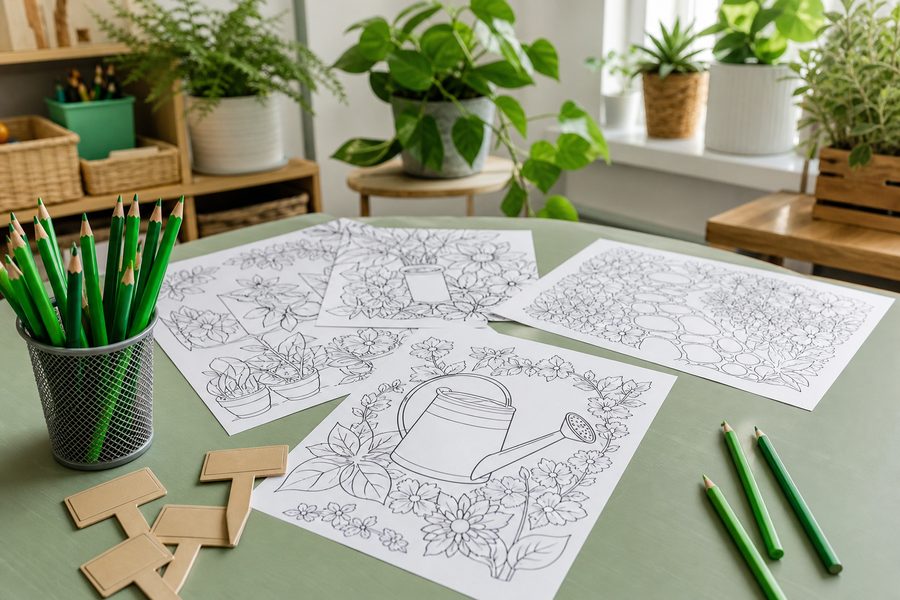
Pencils, crayons, and color samples for children's coloring pages on a coral table
A small color selection helps children begin without feeling overwhelmed by too many options.

When a child sits down with a coloring page, the first question is often not what to color but which colors to choose. Too many options can slow the activity down, while too few can limit expression. The most practical approach is usually a balanced, easy-to-handle palette.

At ColorearDibujos.es you can apply this idea both to printed sheets and to the online coloring tool. The goal is not perfection. It is simply to make each drawing feel calm, enjoyable, and creative from the beginning.

How to begin without covering the whole table in materials

For a quick activity, six to eight basic colors are often enough: yellow, red, blue, green, brown, black, pink, and purple. From there, you can add a couple of extra tones depending on the theme. For children's coloring pages, a short palette works well because it avoids constant pauses while children decide.

If you are preparing several pages for home or school, try grouping the colors: warm tones, cool tones, natural colors, and a few playful extras. That small organization makes everything easier to find and keeps the table clearer.

Simple color palettes for child-friendly drawings

One of the easiest ways to choose colors is to think in terms of a small palette before you begin. For animal pages, browns, grays, yellows, and greens often work well. For fantasy scenes, pinks, blues, purples, and gold-like tones feel playful. For nature, greens, yellows, and blues are usually enough to build variety.

You can also suggest theme-based palettes such as spring colors, forest colors, soft colors, or bright happy colors. If you want easily recognizable themes, the sections for animal coloring pages, flower coloring pages, and fantasy coloring pages are strong starting points.

Pencils, crayons, or markers: when to use each one

Colored pencils offer more control and make it easier to work in small areas. Crayons are practical for larger spaces, especially on pages with broad outlines. Markers provide intense color, although it helps to use paper that can handle ink without bleeding through.

For younger children, a mix of crayons and pencils is often enough. For children with more experience, you can add markers or multiple shades of the same color. The most important thing is matching the material to the type of drawing.

Matching colors to the kind of drawing

Animal coloring pages invite two different approaches: realistic colors or imaginative ones. A dog can be brown, gray, or orange; a cat can have spots; a horse can have colorful hair if the activity is meant to feel playful and open-ended.

Flower pages usually work well with two or three tones for petals and another two for leaves and background. Fantasy scenes invite even more freedom: unicorns, dragons, fairies, and castles can all support much more imaginative combinations.

How to organize the table for a calmer coloring session

Before starting, place the page in the center, keep the colors to one side, and leave a small clear area for resting the hand. If several children are coloring together, trays or cups with shared colors can help avoid clutter.

A practical idea

Before coloring the whole page, try the palette in a corner or on a separate sheet. This lets children see how the tones look together and begin with more confidence.

UNESCO highlights the value of integrating arts and visual expression into learning environments. In everyday activities, that can be as simple as choosing colors thoughtfully, observing shapes, and enjoying a page without rushing.

Practical summary

Choosing colors does not require a huge collection of materials. A clear palette, an appropriate drawing, and a well-prepared table are enough to turn coloring pages into a calm, repeatable, and creative activity.

Frequently asked questions

FAQ about choosing colors for children's coloring pages

How many colors should I prepare for children's coloring pages?

To begin, six to eight basic colors are usually enough. If the page has a specific theme, you can add two or three related tones.

Which colors work well for animal drawings?

Browns, grays, greens, yellows, and oranges work very well, although imaginative color choices are also welcome when the activity encourages free creativity.

Is it better to use pencils, crayons, or markers?

It depends on the page. Pencils help in small areas, crayons work well for broader spaces, and markers bring strong color when the paper can support them.

How can I stop children from feeling blocked when choosing colors?

Offer a small palette or suggest a simple color theme, such as spring colors, forest colors, or soft tones.

Questions readers often ask

Questions readers often ask

Yes. Start with a simple page for younger children, then invite older children to add a background, a short story or more detailed colour choices.

Can this idea work for different ages?

Yes. Start with a simple page for younger children, then invite older children to add a background, a short story or more detailed colour choices.

Which materials are most practical?

Coloured pencils, crayons and washable markers are all good options. Keep the materials simple so children can focus on the activity rather than preparation.

Can I use this activity in a classroom?

Yes. It works for individual work, small groups, early finishers and display projects. A shared theme can also help connect several finished drawings.

How long should a colouring activity last?

A short ten-minute session is useful for a calm break, while a longer session can include printing, storytelling and displaying the final work. Follow the child’s interest.

What can we do with finished pages?

Keep them in a creative folder, make a classroom mural, give them as a small gift or use them as the start of a homemade storybook.