Teacher resources

How to use coloring pages in the classroom

Coloring pages can be a very flexible classroom resource when they are used with a simple purpose in mind. They help children settle at the start of a session, support a topic, close an activity quietly, or offer a ready option during transitions.

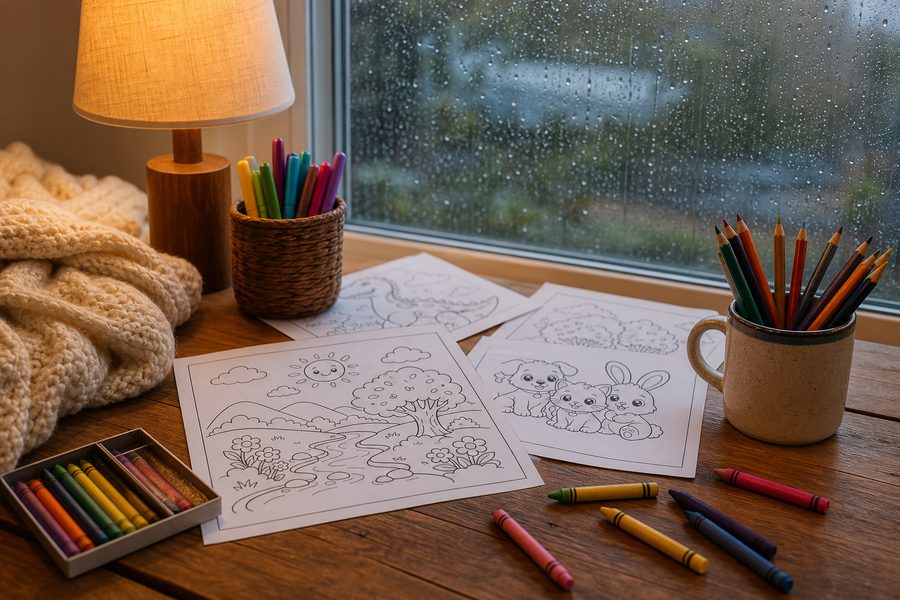
Classroom table with coloring pages and pencils prepared for a school activity
Keeping several pages ready by theme makes coloring easier to use as a short classroom resource.

Coloring pages work well in school because they can be adapted to very different moments. They can welcome children into the room, accompany a weekly topic, slow the pace after a demanding task, or support a calm corner with very little setup.

When to use coloring pages in the classroom

A coloring sheet can work especially well as a welcome activity. While the group settles in, each child can begin with a clear task that does not require a long explanation. It can also be used after a more intense activity as a quiet way to change rhythm.

Another strong option is to connect coloring pages with a topic the class is already exploring. If the class is working with animals, seasons, flowers, or nature, a small selection of related pages helps reinforce vocabulary and observation without turning the activity into a complicated worksheet.

How to choose pages for different classroom moments

For short tasks, choose pages with very few elements. For longer sessions, scenes with a background, small accessories, or two or three main objects can work better. The page should match the real amount of time available.

General animal coloring pages are very practical for broad topics. If you need something more specific, you can prepare pages about horses, dogs, cats, or flowers depending on the week's content.

Simple ideas for teachers

One useful approach is to keep a tray of pages grouped by detail level: easy, medium, and a little more complete. That allows each child to choose something appropriate without forcing you to prepare a completely different worksheet for every situation.

It is also practical to keep a small material corner with pencils, crayons, and pre-printed sheets. For digital moments or for classrooms that want to save paper, the online coloring tool can also work as a quick alternative.

Organization and responsible classroom use

Before printing many copies, it helps to check how many pages are likely to be used. A good habit is to print only a few per theme, watch which ones children actually enjoy, and keep the extra pages in a folder for future sessions.

Instructions should stay simple: choose colors, complete the sheet, and put the materials back. If you want a small closure, you can invite children to describe the drawing or mention which colors they chose.

How to integrate coloring without breaking the flow of the class

For coloring pages in the classroom to work well, the activity needs a very clear start. A short instruction, a tray of materials, and two or three ready sheets are often enough.

The goal does not have to be a complex finished product. Sometimes it is enough for children to color an image linked to the day's theme and then share one simple observation: which animal appears, which colors they chose, or which part felt easiest.

Ways to organize pages in the classroom

  • By theme: animals, nature, fantasy, or seasons.
  • By difficulty: easy pages, medium pages, and pages with a little more detail.
  • By duration: quick sheets for five-minute moments and fuller scenes for longer sessions.
  • By purpose: welcome time, transition time, visual support, or final activity.

Practical summary

In school, coloring pages work best when they have a clear role: welcome activity, transition, thematic support, or quiet creative time. With a little preparation, they become an adaptable and genuinely useful classroom tool.

Frequently asked questions

FAQ about using coloring pages in the classroom

Which ages can use coloring pages in class?

They can be adapted for preschool and primary school as long as the pages match the group's level of detail and attention span.

How can I avoid printing too many sheets?

Prepare only a few options, observe which pages are used most, and keep the extra copies in a folder organized by theme.

Can coloring pages be used as a welcome activity?

Yes. One simple page at the start of a session can help the group begin with a clear, calm task.

Questions readers often ask

Questions readers often ask

Yes. Start with a simple page for younger children, then invite older children to add a background, a short story or more detailed colour choices.

Can this idea work for different ages?

Yes. Start with a simple page for younger children, then invite older children to add a background, a short story or more detailed colour choices.

Which materials are most practical?

Coloured pencils, crayons and washable markers are all good options. Keep the materials simple so children can focus on the activity rather than preparation.

Can I use this activity in a classroom?

Yes. It works for individual work, small groups, early finishers and display projects. A shared theme can also help connect several finished drawings.

How long should a colouring activity last?

A short ten-minute session is useful for a calm break, while a longer session can include printing, storytelling and displaying the final work. Follow the child’s interest.

What can we do with finished pages?

Keep them in a creative folder, make a classroom mural, give them as a small gift or use them as the start of a homemade storybook.