Animal coloring ideas

Animal coloring pages: activity ideas for children

Animal pages are one of the most flexible resources on a coloring website. They feel familiar, easy to recognize, and simple to adapt for pets, farm themes, nature topics, calm home routines, or short classroom activities.

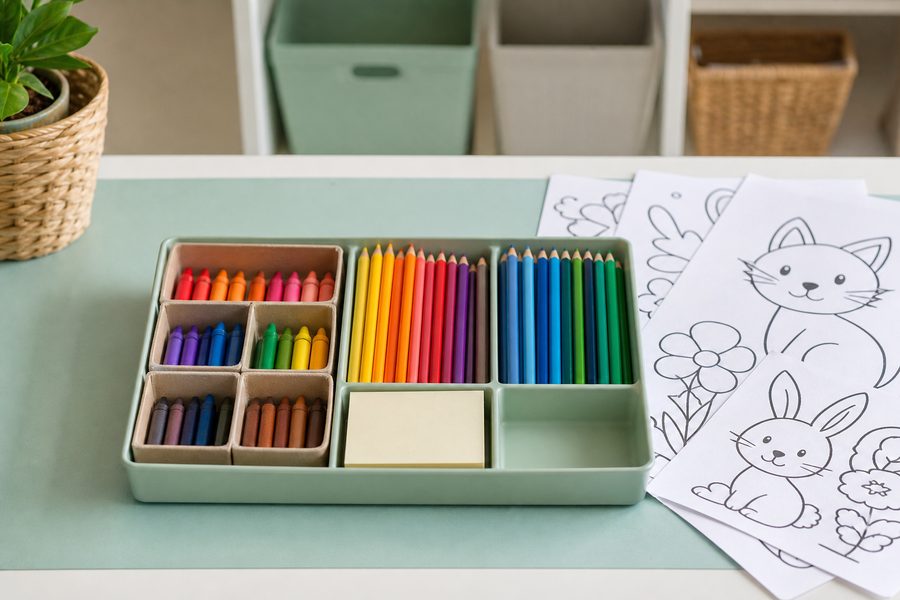
Animal coloring pages with pencils and crayons on a child-friendly table
Animals are a familiar, flexible theme for simple coloring activities.

Animal coloring pages are one of the easiest ways to build a familiar activity for children. They can support short quiet moments, small storytelling prompts, early vocabulary work, or simple conversations about the natural world.

Another advantage is visual clarity. Children quickly recognize ears, tails, paws, spots, feathers, or fur, which makes it easier to identify the areas they want to color without needing much explanation.

Why animal pages work so well

Animals are recognizable, varied, and naturally appealing to children. A dog, a cat, a horse, or a wild animal can work as a quick one-page activity or as the starting point for a fuller creative session.

Because many animal shapes are easy to identify, they are especially helpful when children are still building confidence with crayons, pencils, or markers.

Simple activities with pet coloring pages

Pets are usually the easiest entry point. You can begin with dog coloring pages or cat coloring pages and invite children to choose either realistic colors or completely imaginative ones.

One small extension that works well is asking children to give the animal a name after coloring. That tiny step adds personality and turns the page into the start of a short story.

Dog coloring page preview from ColorearDibujos.es
A clear pet page is an easy place to start Pets such as dogs work especially well when you want a familiar, low-pressure activity with broad coloring areas. See dog coloring pages

Using larger animals for fuller activities

Horse coloring pages work well when you want a slightly bigger scene such as a field, a farm, or a riding setting. Larger animals also make it easier to use wide areas of color and try more natural palettes.

If you are planning a group activity, each child can choose a different animal and then place the finished pages together as a shared collection.

Combining animals with flowers, landscapes, and nature

Animal pages pair naturally with flowers, trees, or simple landscape elements. Adding a few flower coloring pages can help turn one page into a fuller scene or a small themed set.

In class, this also creates an easy way to talk about habitats and surroundings such as farms, gardens, forests, or home environments. At home, it simply adds more variety in color and theme.

How to choose animal pages by activity type

Not every animal coloring page serves the same purpose. A simple pet may be ideal for a short quiet moment, while a larger scene with background details can support a longer, more focused session.

  • Pets: dogs and cats for familiar, comforting activities.
  • Larger animals: horses, elephants, or giraffes for broad areas of color.
  • Forest animals: strong choices for pairing with nature or seasonal topics.
  • Imaginary animals: useful when you want to encourage freer color choices.

A helpful routine is to keep a mini collection ready: one pet, one large animal, one smaller forest creature, and one page with natural surroundings. That gives enough choice without overwhelming anyone.

A practical tip for repeat use

Build a small folder with pets, farm animals, and wildlife pages so you can quickly match the drawing to the mood, age, or time available.

When the pages are well chosen, animal coloring pages become much more than a simple printable sheet. They become an easy, friendly tool for calm creativity, classroom support, and everyday family use.

Frequently asked questions

FAQ about animal coloring pages

Which animals are easiest for children to color?

Dogs, cats, horses, and other animals with broad, clear shapes are often the easiest place to begin.

Can animal coloring pages work in the classroom?

Yes. They work well for welcome tasks, nature-related topics, visual vocabulary practice, and calm low-prep activities.

Should children use realistic colors or invented ones?

Both are valid. Realistic colors help children recognize the animal, while invented colors support a more creative activity.

Questions readers often ask

Questions readers often ask

Yes. Start with a simple page for younger children, then invite older children to add a background, a short story or more detailed colour choices.

Can this idea work for different ages?

Yes. Start with a simple page for younger children, then invite older children to add a background, a short story or more detailed colour choices.

Which materials are most practical?

Coloured pencils, crayons and washable markers are all good options. Keep the materials simple so children can focus on the activity rather than preparation.

Can I use this activity in a classroom?

Yes. It works for individual work, small groups, early finishers and display projects. A shared theme can also help connect several finished drawings.

How long should a colouring activity last?

A short ten-minute session is useful for a calm break, while a longer session can include printing, storytelling and displaying the final work. Follow the child’s interest.

What can we do with finished pages?

Keep them in a creative folder, make a classroom mural, give them as a small gift or use them as the start of a homemade storybook.