Cat coloring ideas

Cat coloring pages: easy activity ideas for children

Cat pages feel familiar, expressive, and easy to adapt for calm moments at home, low-prep classroom activities, or simple creative routines that children can enjoy without much setup.

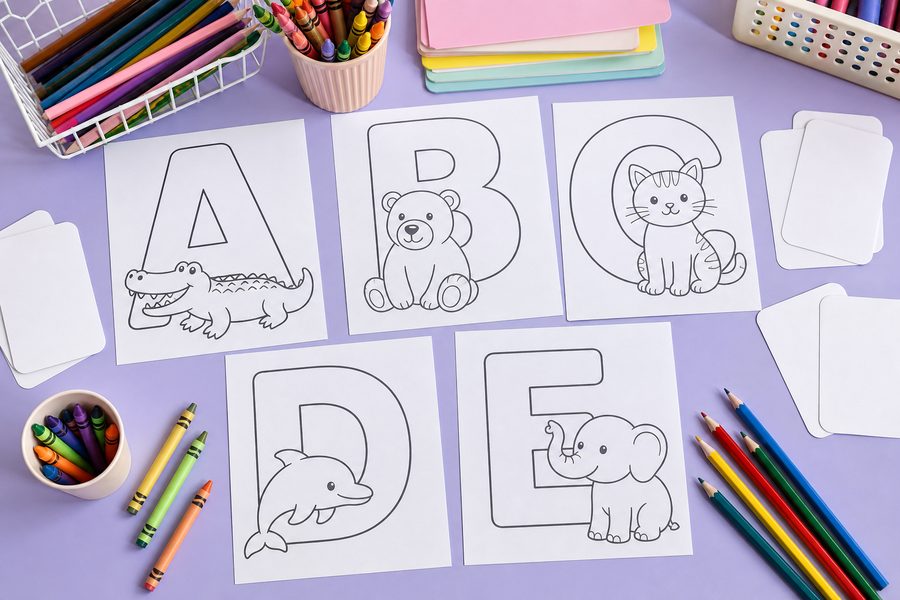
Cat coloring pages with pencils and crayons prepared for a simple child-friendly activity
Cats work well when you want a familiar theme with clear shapes and flexible color choices.

Cat coloring pages are a practical option when you want an activity that feels gentle, recognizable, and easy to begin. They fit well in quiet corners, after-school routines, and short classroom moments where children need something creative but not overwhelming.

Another advantage is expression. Cats can look playful, sleepy, curious, or cozy, which helps children connect with the scene quickly and makes it easier to talk about mood, setting, and color choices while they work.

How to choose the right cat page

Before printing or opening a page online, it helps to check three things: how detailed the drawing is, how much time you have, and whether the activity is for one child or a small group. A simple cat face or seated kitten works well for quick sessions, while a fuller home or garden scene suits a longer activity.

Offering two or three options instead of a huge selection also makes the choice easier. Children still feel free to choose, but the activity starts more smoothly and with less hesitation.

Easy activity ideas with cat coloring pages

A very simple activity is to ask children to choose a small color palette first: maybe two colors for the cat, one for the background, and one accent color for small details. That tiny structure makes the page feel easier to manage without turning it into a rigid task.

You can also turn the page into a mini storytelling prompt. After coloring, ask where the cat is, what it is doing, or what might happen next. The drawing becomes more personal without needing extra materials.

  • Quick activity: one clear cat page and a small set of pencils or crayons.
  • Slower activity: a cat scene with cushions, windows, plants, or a garden background.
  • Classroom activity: several related cat pages so each child contributes to a small themed display.

Materials and setup

Colored pencils are often the easiest option when children want to add whiskers, eyes, or smaller decorative details. Crayons work well for broad shapes, and markers can be reserved for a few strong touches if the paper is suitable for them.

If you want to alternate between paper and screen, you can test ideas first in the online coloring tool and then print the page that feels most useful. For more page-selection ideas, the guide on choosing coloring pages by age can also help.

How to combine cat pages with other themes

If you want a broader activity, combine cat coloring pages with dogs for a familiar pet theme, or add a few flower coloring pages to create a softer garden setting.

Mixing themes helps the activity feel less repetitive. The same cat page can lead toward pets, home routines, seasons, flowers, or a calm decorative project depending on what you place around it.

Cat coloring page preview from ColorearDibujos.es
A simple cat page is easy to reuseClear shapes and familiar scenes make cat pages a strong choice for quiet moments, home routines, or low-prep classroom use.See cat coloring pages

Practical wrap-up

To prepare cat coloring pages well, keep the selection clear, the materials simple, and the difficulty suited to the time available. With just a few good pages, coloring becomes easy to repeat and genuinely useful for both home and school.

A simple tip to keep

Save one easy cat page, one medium scene, and one page with a fuller background. That small mix makes it much faster to choose the right activity next time.

When the page is well chosen, a familiar theme like cats can support calm creativity, simple conversations, and a much smoother coloring experience from the first minute.

Frequently asked questions

FAQ about cat coloring pages

What kind of cat page works best for younger children?

Larger cats with broad shapes, clear outlines, and limited background detail are usually the easiest place to start.

Can cat coloring pages work in the classroom?

Yes. They adapt well to quiet corners, short welcome tasks, pet-related themes, and calm creative breaks.

Is it better to use realistic cat colors or invented ones?

Both work well. Realistic colors feel familiar, while invented palettes make the activity more playful and imaginative.

Questions readers often ask

Questions readers often ask

Yes. Start with a simple page for younger children, then invite older children to add a background, a short story or more detailed colour choices.

Can this idea work for different ages?

Yes. Start with a simple page for younger children, then invite older children to add a background, a short story or more detailed colour choices.

Which materials are most practical?

Coloured pencils, crayons and washable markers are all good options. Keep the materials simple so children can focus on the activity rather than preparation.

Can I use this activity in a classroom?

Yes. It works for individual work, small groups, early finishers and display projects. A shared theme can also help connect several finished drawings.

How long should a colouring activity last?

A short ten-minute session is useful for a calm break, while a longer session can include printing, storytelling and displaying the final work. Follow the child’s interest.

What can we do with finished pages?

Keep them in a creative folder, make a classroom mural, give them as a small gift or use them as the start of a homemade storybook.