Reading corner ideas

Coloring pages for a reading corner

A coloring page can support reading without turning it into a long or noisy task. In a reading corner, clear pages and a small color set help children stay calm while keeping the activity connected to books and stories.

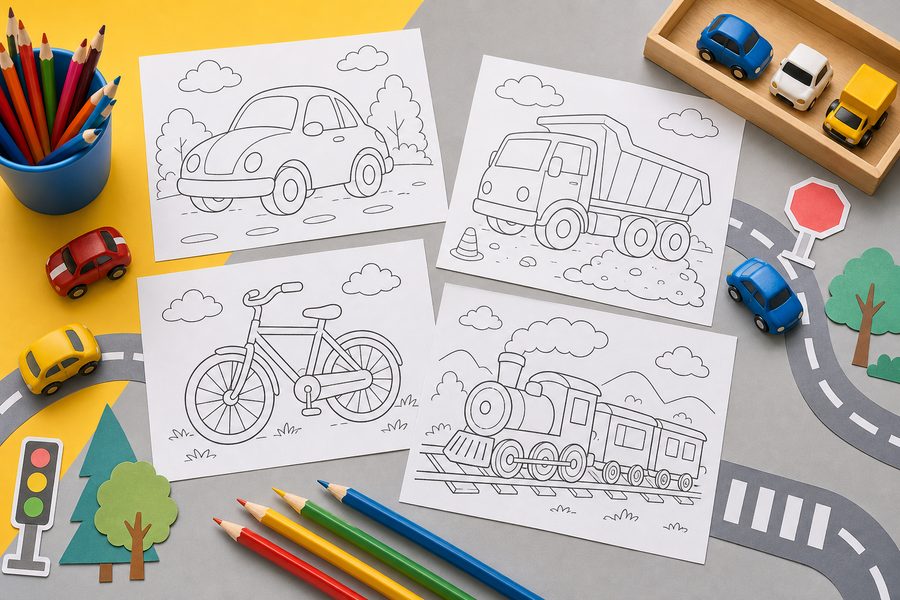
Coloring pages and pencils prepared beside books in a calm reading corner
A simple coloring page can support a reading corner without overwhelming the quiet mood of the space.

Coloring pages for a reading corner can do much more than fill a sheet. When the page is chosen well, it supports a short activity, a classroom routine, or a calm home moment without breaking the quiet mood of the space.

Reading-corner pages work best when they feel gentle and easy to understand. A simple character, a setting, or a small story-related scene is often enough.

How to choose the right page

It helps to look for clear outlines, broad areas, and a scene that is easy to recognize. In a reading corner, a page that is too crowded may distract from the calm atmosphere, while a page that is too plain may not hold enough attention.

A strong choice usually includes one main figure, a few secondary details, and enough room for children to make color decisions without feeling overwhelmed.

Ideas for turning the page into a reading-corner activity

You can offer a small fixed palette, invite children to color the main figure first, or leave two related pages beside a book so they can choose one naturally. That structure gives direction without turning the activity into a heavy task.

Another simple prompt is to ask where the story happens, which character matters most, or what part of the scene should be highlighted. That small question helps the page feel connected to reading rather than separate from it.

Story-inspired coloring page preview from ColorearDibujos.es
A quiet page can stay close to the story moodCharacters, settings, or gentle fantasy scenes help coloring feel like part of the reading experience instead of a separate noisy task.See fantasy coloring pages

Materials and preparation

Colored pencils and crayons are usually enough. Markers can be reserved for smaller accents if the paper is suitable. If you are printing, choose a clean page with clear contrast and a white background so the drawing stays easy to read.

If you want to prepare several pages at once, the article on printable coloring pages can help. If you want a story-follow-up angle, the guide on using coloring pages in the classroom can also be helpful.

How to combine reading pages with other collections

You can combine a reading-corner page with fantasy scenes, gentle animals, or simple story settings. That makes it easier to keep the corner varied while staying inside a calm and readable atmosphere.

The same page can feel more narrative, more decorative, or more reflective depending on the pages and books that sit beside it.

Practical wrap-up

To work well with coloring pages in a reading corner, choose a clear drawing, keep the materials limited, and match the detail level to the time available. With that base, the activity stays calm, useful, and easy to repeat.

A quiet setup idea

Leave two pages beside the books: one focused on a character and one focused on a setting. That makes the choice easy and keeps the activity light.

When the page feels simple and story-friendly, coloring becomes a natural extension of the reading corner instead of a distraction from it.

Frequently asked questions

FAQ about coloring pages in a reading corner

What kind of page works best in a reading corner?

Clear pages with gentle scenes, simple characters, and broad areas usually work best.

Can this be used in class?

Yes. It works well as a short quiet activity, a follow-up to reading time, or a calm independent corner task.

Do I need many materials?

No. One page and a small set of crayons or pencils are usually enough.

Questions readers often ask

Questions readers often ask

Yes. Start with a simple page for younger children, then invite older children to add a background, a short story or more detailed colour choices.

Can this idea work for different ages?

Yes. Start with a simple page for younger children, then invite older children to add a background, a short story or more detailed colour choices.

Which materials are most practical?

Coloured pencils, crayons and washable markers are all good options. Keep the materials simple so children can focus on the activity rather than preparation.

Can I use this activity in a classroom?

Yes. It works for individual work, small groups, early finishers and display projects. A shared theme can also help connect several finished drawings.

How long should a colouring activity last?

A short ten-minute session is useful for a calm break, while a longer session can include printing, storytelling and displaying the final work. Follow the child’s interest.

What can we do with finished pages?

Keep them in a creative folder, make a classroom mural, give them as a small gift or use them as the start of a homemade storybook.