Home activity ideas

Coloring pages for rainy days: calm ideas for home

When the plan stays indoors, a small set of well-chosen coloring pages can turn a rainy afternoon into a simple, cozy activity. You do not need much: a clear table, a few materials, and pages that match the slower rhythm of the day.

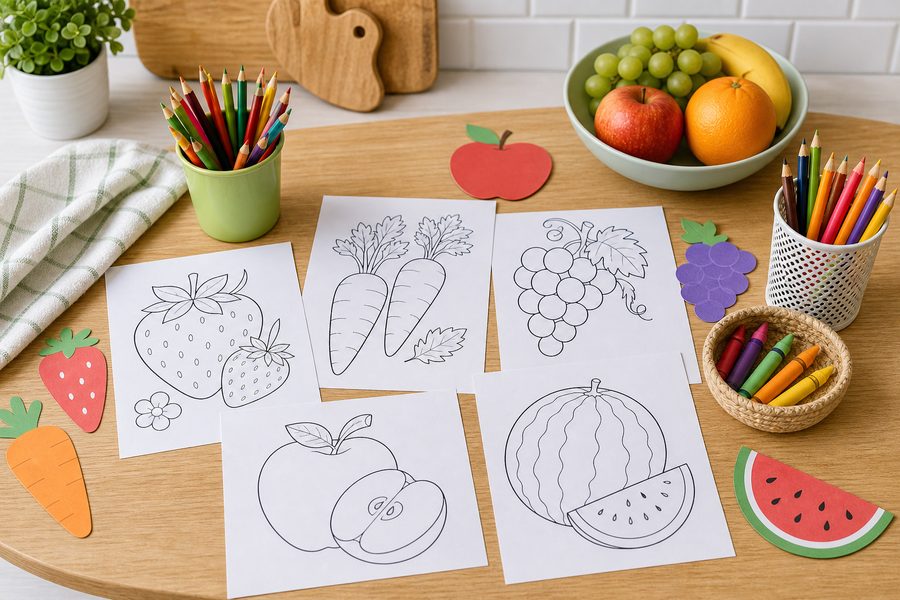
Coloring pages, crayons, and warm light beside a window on a rainy day
Rainy days are a good moment for easy indoor activities that feel calm and unhurried.

Coloring pages for rainy days work well because they are easy to start and easy to pause. A few printed sheets and familiar materials are often enough to create a warm indoor activity without turning the whole afternoon into a complicated project.

The key is to choose pages that fit the mood. If the available time is short, go for easy pages. If the afternoon is long, a small series of pages or a more detailed scene may work better.

How to set up a comfortable rainy-day space

Choose a table with decent light, place the crayons or pencils in one container, and start with only a few page options. If you want to make the moment feel more special, set out a simple tray with pages and materials already ready to use.

Rainy days naturally invite slower activities, so it helps to avoid anything with too many steps. Coloring works well because children can begin quickly and stop easily when they want.

Which coloring pages work best on rainy days

Animals, flowers, houses, simple landscapes, and gentle fantasy scenes are usually strong choices. A small mix of animal coloring pages, flower pages, and fantasy pages gives enough variety without overcomplicating the activity.

You can also choose pages that match the weather itself: clouds, umbrellas, gardens, puddles, windows, or cozy indoor scenes. What matters most is that the theme feels calm and easy to color.

Calm ideas that work well at home

  • Rainy-day palette: blues, gentle greens, soft grays, and warm yellow accents.
  • Shared page: each person colors one part of the same drawing.
  • Mini gallery: place finished pages together on a table or wall for the afternoon.
  • Before and after: take one photo before coloring and another when the page is finished.

If you do not want to print, the online coloring tool can work well as a screen-based version of the same idea.

Simple materials are enough

For a calm activity, colored pencils and crayons are usually all you need. Markers can be kept for details or older children who already use them carefully. A protective sheet underneath the page can help keep the table clean.

It also helps to keep a small ready-made folder of pages so you do not have to search every time the weather changes. That kind of preparation makes rainy-day activities much easier to repeat.

What to do with the finished pages

Finished pages can go into a folder, onto a piece of card, or into a temporary display on a wall or shelf. Some can later become part of a simple craft or a small family keepsake collection.

An easy routine to repeat

Create a folder called "rainy days at home" with easy pages, flowers, animals, and calm scenes so you always have simple options ready.

Arts-in-education references such as UNESCO often highlight the value of creative expression in everyday settings. A quiet rainy afternoon can be one of those moments where a simple coloring page feels especially useful.

With just a few materials and well-chosen pages, rainy days can become easy moments of color, calm, and creativity without needing much preparation.

Frequently asked questions

FAQ about coloring pages for rainy days

Which coloring pages work well on rainy days?

Animals, flowers, houses, simple landscapes, and gentle fantasy scenes are all very good options for calm indoor activities.

Do I need to print lots of pages?

No. Two or three good options are often enough, and you can also use the online coloring tool if you prefer not to print.

What colors suit a rainy-day activity?

Blues, greens, soft grays, and a few warm yellow tones often create a calm, pleasant palette.

How can I save the finished drawings?

You can keep them in a folder, make a small temporary gallery, or save a few for later crafts.

Questions readers often ask

Questions readers often ask

Yes. Start with a simple page for younger children, then invite older children to add a background, a short story or more detailed colour choices.

Can this idea work for different ages?

Yes. Start with a simple page for younger children, then invite older children to add a background, a short story or more detailed colour choices.

Which materials are most practical?

Coloured pencils, crayons and washable markers are all good options. Keep the materials simple so children can focus on the activity rather than preparation.

Can I use this activity in a classroom?

Yes. It works for individual work, small groups, early finishers and display projects. A shared theme can also help connect several finished drawings.

How long should a colouring activity last?

A short ten-minute session is useful for a calm break, while a longer session can include printing, storytelling and displaying the final work. Follow the child’s interest.

What can we do with finished pages?

Keep them in a creative folder, make a classroom mural, give them as a small gift or use them as the start of a homemade storybook.