Resource organization

How to organize a coloring page folder

A well-organized coloring page folder saves time and makes quiet activities easier to prepare. Instead of searching from scratch each time, you can keep a clear selection of pages ready for home, class, or creative corners.

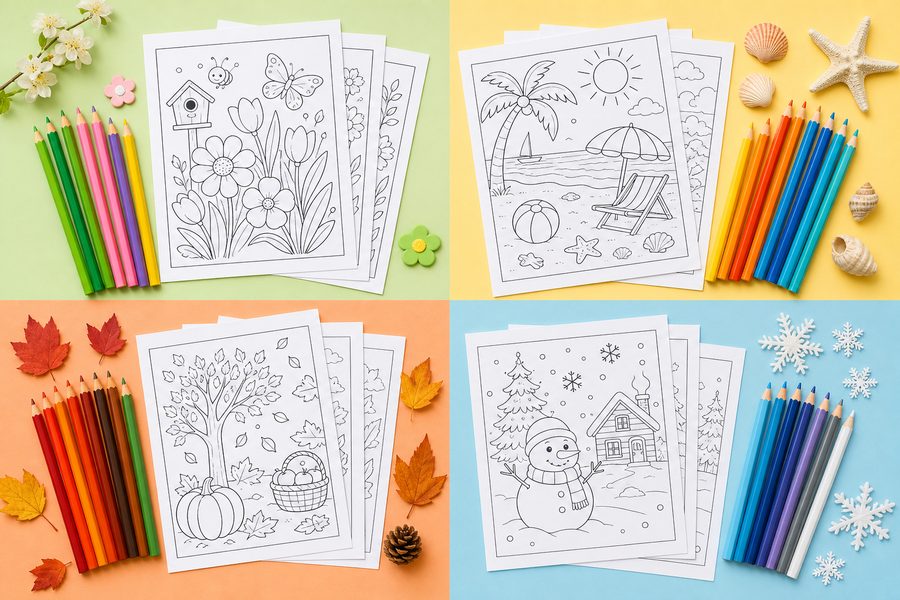
Folders and coloring pages organized with pencils on a table
Sorting pages by theme and difficulty makes it much easier to pick the right page quickly.

Having a coloring page folder ready is one of the easiest ways to save time. Instead of searching for pages every time, you can keep a small, clear, and practical selection close at hand.

The folder can be physical, digital, or a mix of both. What matters most is that it helps answer practical questions quickly: what theme fits, how much time is available, and what level of detail will work best.

Why it is worth organizing the pages

When pages are sorted clearly, preparing a calm activity becomes much faster. You can reach for animals, flowers, fantasy scenes, or easy pages for younger children without browsing through a huge set of mixed files.

It also helps reduce unnecessary printing and repeated choices. A good folder should be practical rather than oversized.

Sorting by theme: animals, flowers, fantasy, and more

A very useful first system is to sort by theme. You can create sections for animals, flowers, fantasy, and easy printable pages. Inside animals, you might separate dogs, cats, horses, or other strong groups.

This approach works especially well when the activity connects to a specific topic or mood. It makes decisions quicker and helps the folder stay intuitive.

Sorting by age or detail level

Another helpful system is to create three levels: easy, medium, and more detailed. You do not need exact age labels. It is usually enough to notice whether the page has broad outlines, a simple background, or many small features.

That makes it easier to match the page to the moment, especially when time or attention span changes from one session to the next.

How to prepare a folder for classroom use

In class, a folder can support quiet corners, transition activities, or theme-based work. It helps to keep clean master copies and a short list of favorites that are used often.

You can also sort by classroom moment: welcome time, short activity, theme work, or free-choice coloring. The article on using coloring pages in the classroom can help you expand this structure.

How to keep the folder useful over time

From time to time, review which pages are actually being used and which ones are not. Remove drawings that feel unclear, too crowded, or repetitive. Add new pages only when they offer real variety.

Simple rule

If a page has not been used for a long time and does not fit any clear activity, it probably does not need to stay in the main folder.

Organizing pages is not about saving everything. It is about building a comfortable selection that makes creative time easier to start.

Frequently asked questions

FAQ about organizing coloring pages

How can I organize a coloring page folder?

You can sort it by theme, difficulty level, approximate age, or by situations such as home, class, or quick activities.

Is it better to keep many pages or a smaller selection?

A smaller, well-chosen selection is usually more useful than a huge folder filled with repeated or hard-to-find pages.

What categories are most useful to start with?

Animals, nature, fantasy, easy pages, and classroom activities are all practical categories for a first folder.

Questions readers often ask

Questions readers often ask

Yes. Start with a simple page for younger children, then invite older children to add a background, a short story or more detailed colour choices.

Can this idea work for different ages?

Yes. Start with a simple page for younger children, then invite older children to add a background, a short story or more detailed colour choices.

Which materials are most practical?

Coloured pencils, crayons and washable markers are all good options. Keep the materials simple so children can focus on the activity rather than preparation.

Can I use this activity in a classroom?

Yes. It works for individual work, small groups, early finishers and display projects. A shared theme can also help connect several finished drawings.

How long should a colouring activity last?

A short ten-minute session is useful for a calm break, while a longer session can include printing, storytelling and displaying the final work. Follow the child’s interest.

What can we do with finished pages?

Keep them in a creative folder, make a classroom mural, give them as a small gift or use them as the start of a homemade storybook.