Sea coloring ideas

Sea and ocean coloring pages: practical ideas

Sea and ocean pages are a strong choice when you want a calm activity built around blues, turquoise tones, and recognizable natural details. They can feel simple, fresh, and very easy to adapt.

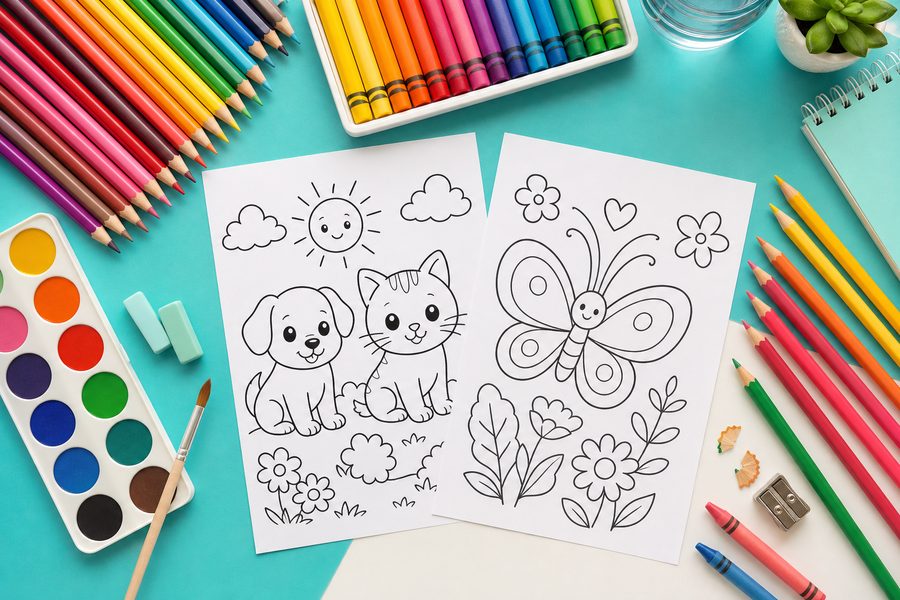
Sea and ocean coloring pages with pencils prepared for a calm child-friendly activity
Ocean themes make it easy to work with blues, sandy tones, and gentle natural details.

Sea and ocean coloring pages can do much more than fill a sheet of paper. When the page is chosen well, the theme helps create a short activity, a classroom prompt, or a quiet creative moment at home without adding unnecessary difficulty.

Marine scenes often feel naturally calm because they rely on a few strong color families and recognizable shapes such as waves, fish, shells, sand, or open water.

How to choose a page that works well

It helps to check whether the drawing has clear outlines, generous spaces, and a scene that children can identify quickly. In sea themes, a page that is too crowded may feel confusing, while a page that is too empty may not hold attention for long.

A good choice usually combines one main figure with a few secondary details and enough room for children to decide how to use color. If several children are working at once, it is useful to prepare one easier page and one slightly more detailed option.

Ideas for turning the page into an activity

You can suggest a limited palette of four or five colors, ask children to color the larger zones first, or prepare a mini sequence of related pages. That structure gives direction without turning the drawing into a rigid task.

Another simple idea is to ask one question before starting: which colors fit the scene, where it takes place, or which detail should stand out most. That small prompt gives the page more intention and helps children begin with confidence.

Dolphin coloring page preview from ColorearDibujos.es
Ocean themes combine calm and varietyA clear marine page gives children broad color areas while still leaving space for small details and imaginative choices.See dolphin coloring pages

Comfortable materials and preparation

Colored pencils or crayons are usually enough for this kind of activity. Markers can be reserved for small details if the paper is suitable. If you are printing, choose a clean page with good contrast and a white background so the result stays easy to read.

If you want to test colors first, the online coloring tool can help. For printable use, the guide on using coloring pages in PDF is also useful when you want to keep pages organized.

How to combine ocean pages with other collections

Sea pages pair very naturally with dolphins, whales, beaches, and broader nature coloring pages.

That variety helps the activity feel less repetitive. The same marine theme can become more playful, more educational, or more decorative depending on what you place beside it.

Practical wrap-up

To work well with sea and ocean coloring pages, choose a clear drawing, prepare only a few materials, and adapt the detail level to the available time. With that base, the activity stays organized and easy to repeat.

A practical color tip

Prepare three different blues and keep one warm tone for sand, shells, or small accent details. That small palette already gives the page enough variety.

The goal is not to complete a large number of sheets, but to create a simple, visual, and pleasant moment. That is the same direction we aim for across ColorearDibujos.es: calm, safe, child-friendly resources for home and school use.

Frequently asked questions

FAQ about sea and ocean coloring pages

What kind of sea or ocean page is best to begin with?

Start with a clear page that has defined outlines, broad areas, and a level of detail that fits the time available.

Can sea coloring pages be used in class?

Yes. They work well as short quiet tasks, themed classroom prompts, or visual complements to a marine topic.

What materials are enough for this kind of activity?

Colored pencils and crayons are usually enough. Markers can be added for small details if the paper handles them well.

Questions readers often ask

Questions readers often ask

Yes. Start with a simple page for younger children, then invite older children to add a background, a short story or more detailed colour choices.

Can this idea work for different ages?

Yes. Start with a simple page for younger children, then invite older children to add a background, a short story or more detailed colour choices.

Which materials are most practical?

Coloured pencils, crayons and washable markers are all good options. Keep the materials simple so children can focus on the activity rather than preparation.

Can I use this activity in a classroom?

Yes. It works for individual work, small groups, early finishers and display projects. A shared theme can also help connect several finished drawings.

How long should a colouring activity last?

A short ten-minute session is useful for a calm break, while a longer session can include printing, storytelling and displaying the final work. Follow the child’s interest.

What can we do with finished pages?

Keep them in a creative folder, make a classroom mural, give them as a small gift or use them as the start of a homemade storybook.