Flower coloring ideas

Flower coloring pages: simple ideas for children

Flower pages are calm, flexible, and easy to adapt across ages. They work for color practice, seasonal activities, quiet classroom moments, or small decorative projects that stay simple to prepare.

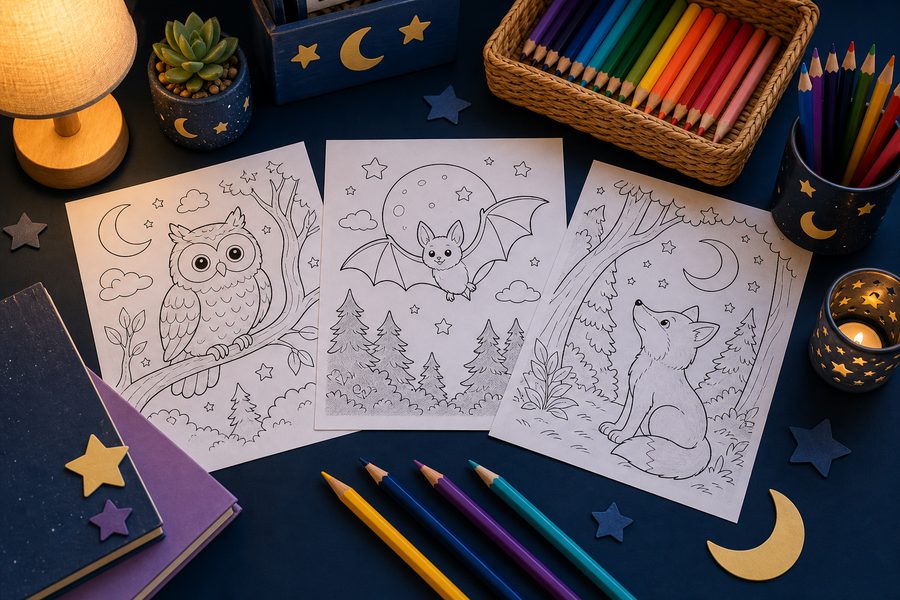
Flower coloring pages with pencils ready for a calm creative activity for children
Flowers make it easy to practice color combinations without needing a long or complicated activity.

Flower coloring pages are a useful choice when you want an activity that feels calm, attractive, and easy to prepare. They do not depend on a specific character, they allow many color combinations, and they fit naturally both at home and in the classroom.

Flowers also connect easily with seasons, gardens, nature themes, simple cards, or small shared displays. If you want ready-to-use pages, you can begin in the flower coloring pages collection and pair them with other calm ideas from nature.

Why flower pages work so well for coloring

A flower has recognizable parts: petals, stem, leaves, and sometimes a pot, garden, or butterfly nearby. That structure helps children divide the page into color areas without needing long explanations. It also makes it easy to adjust the difficulty: one large flower may be very simple, while a bouquet or garden scene can take longer.

That flexibility matters in real use. The same theme can work as a short calm page, a decorated cover, a shared mural, or a gentle color-mixing activity depending on the moment.

Simple ideas with flower coloring pages

One easy activity is to choose three colors for the petals and two for leaves and background before anyone starts. Another simple idea is to prepare one flower for each season: soft tones for spring, yellows for summer, oranges for autumn, and cool pale tones for winter.

Children can also cut out their finished flowers and place them together on a larger sheet to make a shared garden. This works especially well in class because each child contributes one part and the final result grows little by little.

  • Named flower: each child colors one flower and writes a name below it if the activity suits their age.
  • Color bouquet: several smaller pages are combined into one shared composition.
  • Simple card: a colored flower can decorate a kind note, a neutral greeting card, or a seasonal display.
Flower coloring page preview from ColorearDibujos.es
Flowers are easy to adaptLarge petals and clear outlines make flower pages useful for calm activities, seasonal displays, and gentle color practice.See flower coloring pages

How to adapt flower pages for different ages

For younger children, large flowers with few petals and bold outlines are usually best. For children with more practice, you can choose bouquets, gardens, butterflies nearby, or backgrounds with clouds and sunshine. The key is matching the detail level to the time and patience available.

If you want to vary the theme, flowers combine well with animal coloring pages such as a rabbit in a garden or a cat beside a plant pot. That keeps the activity varied without leaving the calm nature setting.

Color choices that work well with flowers

Flowers accept many color directions. Pink, red, yellow, and violet work especially well for petals, while greens can shift from light to olive to deeper shades. For backgrounds, it often helps to keep the tones softer if the flower is the main focus.

A useful approach is to suggest a four-color palette: two colors for petals, one for leaves, and one for small details. That small limit creates more visual harmony and stops the page from feeling too chaotic. If you want more support, the article on choosing colors for children's coloring pages can help.

How to use flower pages in the classroom

In school, flower pages can work as welcome activities, the close of a nature topic, decoration for a reading corner, or a calm task after something more active. Their structure is easy to understand from the start, which reduces the need for long instructions.

Fast classroom setup

Print several simple flower pages and prepare one table with three clear color groups: petals, leaves, and background. The activity feels organized from the first minute while leaving room for personal choices.

With only a few pages, some colors, and a simple setup, flower coloring pages can become a flexible, decorative, and easy-to-repeat activity across the whole year.

Frequently asked questions

FAQ about flower coloring pages

Which flower pages are best for younger children?

Large flowers with few petals, clear outlines, and broad spaces are usually the easiest option.

What colors work best for flower coloring pages?

Pink, red, yellow, violet, and green are easy to combine, but softer palettes and invented colors can work well too.

Can flower coloring pages be used in class?

Yes. They are useful for quiet tasks, seasonal themes, shared murals, and simple nature-based activities.

Questions readers often ask

Questions readers often ask

Yes. Start with a simple page for younger children, then invite older children to add a background, a short story or more detailed colour choices.

Can this idea work for different ages?

Yes. Start with a simple page for younger children, then invite older children to add a background, a short story or more detailed colour choices.

Which materials are most practical?

Coloured pencils, crayons and washable markers are all good options. Keep the materials simple so children can focus on the activity rather than preparation.

Can I use this activity in a classroom?

Yes. It works for individual work, small groups, early finishers and display projects. A shared theme can also help connect several finished drawings.

How long should a colouring activity last?

A short ten-minute session is useful for a calm break, while a longer session can include printing, storytelling and displaying the final work. Follow the child’s interest.

What can we do with finished pages?

Keep them in a creative folder, make a classroom mural, give them as a small gift or use them as the start of a homemade storybook.