Printing

How to print coloring pages in A4

A coloring page can look great on screen and still feel awkward on paper. Adjusting size, margins, and contrast helps the printed page feel clearer, more comfortable, and easier for children to color.

A4 coloring pages beside a printer and folders ready for printing
A clear, centered print makes the coloring experience much easier from the start.

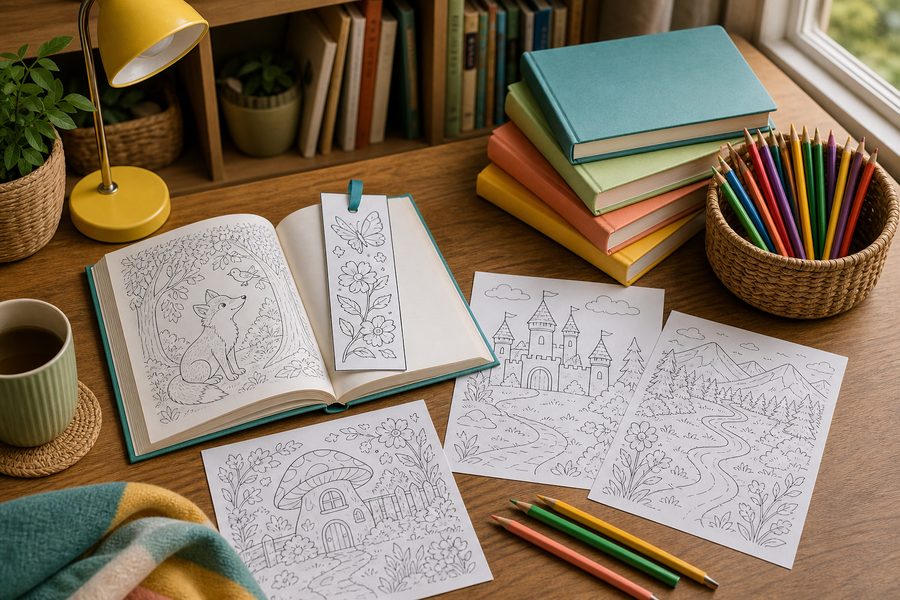
Printing coloring pages in A4 is one of the easiest ways to make printable activities feel practical and ready to use. With a few small adjustments, the page becomes much easier to handle for both home and classroom use.

The main goal is simple: a clear page, a comfortable size, and enough white space so the drawing feels open rather than cramped.

How to choose the right page before printing

Before printing, it helps to check the theme, the level of detail, and the available time. A drawing with one main subject often works well for quick sessions, while a fuller scene may suit longer activities better.

Preparing two or three options instead of a very large stack also makes the activity start more naturally, because children can choose without getting overwhelmed.

Simple adjustments that improve the printed result

Try to keep the page centered, with comfortable margins and strong contrast. A clean white background helps outlines stay clear. If a drawing looks too small or too close to the page edge, it may feel harder to color than it needs to be.

It also helps to avoid overloading one sheet with too many details. A page that feels balanced on A4 usually produces a calmer activity.

Materials and preparation

Colored pencils are often the easiest option for detail work, while crayons are useful for larger spaces. Markers can be saved for small accents if the paper allows it. The printed page should have enough contrast to support whichever material you plan to use.

If you want to switch between paper and screen, you can test palettes first in the online coloring tool. The guide on using coloring pages in PDF also fits naturally here.

How to combine A4 printing with other tools

Printing works especially well when combined with a small folder system. The article on organizing a coloring page folder can help you keep favorite pages ready for reuse.

You can also try colors digitally first and print only the pages that feel most useful for the moment.

Practical wrap-up

To get good results when printing coloring pages in A4, choose a clear page, keep the layout comfortable, and match the detail level to the time available. That small amount of preparation can make the activity much easier to repeat.

Helpful print tip

Keep a small set of easy pages, medium-detail scenes, and more detailed options so you can choose the right printout quickly.

When the page is clear and the print feels balanced, even a very simple drawing becomes a much better coloring experience.

Frequently asked questions

FAQ about printing coloring pages in A4

What kind of page is best to print?

Start with a clear page that has good contrast and a detail level that fits the time available.

Can printed A4 coloring pages be used in class?

Yes. They work well for short activities, quiet corners, and simple classroom routines.

Is it better to print or color online?

That depends on the moment. Printing is great for physical materials, while online coloring helps test colors first.

Questions readers often ask

Questions readers often ask

Yes. Start with a simple page for younger children, then invite older children to add a background, a short story or more detailed colour choices.

Can this idea work for different ages?

Yes. Start with a simple page for younger children, then invite older children to add a background, a short story or more detailed colour choices.

Which materials are most practical?

Coloured pencils, crayons and washable markers are all good options. Keep the materials simple so children can focus on the activity rather than preparation.

Can I use this activity in a classroom?

Yes. It works for individual work, small groups, early finishers and display projects. A shared theme can also help connect several finished drawings.

How long should a colouring activity last?

A short ten-minute session is useful for a calm break, while a longer session can include printing, storytelling and displaying the final work. Follow the child’s interest.

What can we do with finished pages?

Keep them in a creative folder, make a classroom mural, give them as a small gift or use them as the start of a homemade storybook.